
Our lifestyle plays an important role in our overall health and the prevention of various diseases. Whether you are living with a
a chronic condition, managing pain, prehabbing before surgery, or simply trying to be your best self, I believe in providing
the highest level of knowledge to everyone which is science-based and wellness-focused.
Surgical Treatments - Best Brain And Spine Neuro Surgery
Non-Surgical Treatment In India
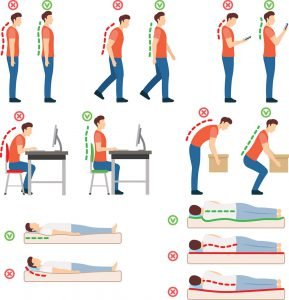
The first line of treatment for patients at the KIMS Advanced Spine Center is always a combination of non-surgical therapies. About 90% of patients with no serious spinal ailments can be managed with non-surgical adjuvant therapy initially and they can improve with conservative treatment, including spinal injection, physical therapy, rehabilitation, medication etc.
Non-Surgical Treatments Include
- Physical therapy
- Medications
- Patient education
- Epidural spine injections
- Facet joint intra-articular injections
- Sacroiliac joint injections
- Medial branch nerve blocks
- Selective nerve root blocks
- CT guided injections
- Robotic guided injections
- RF ablation
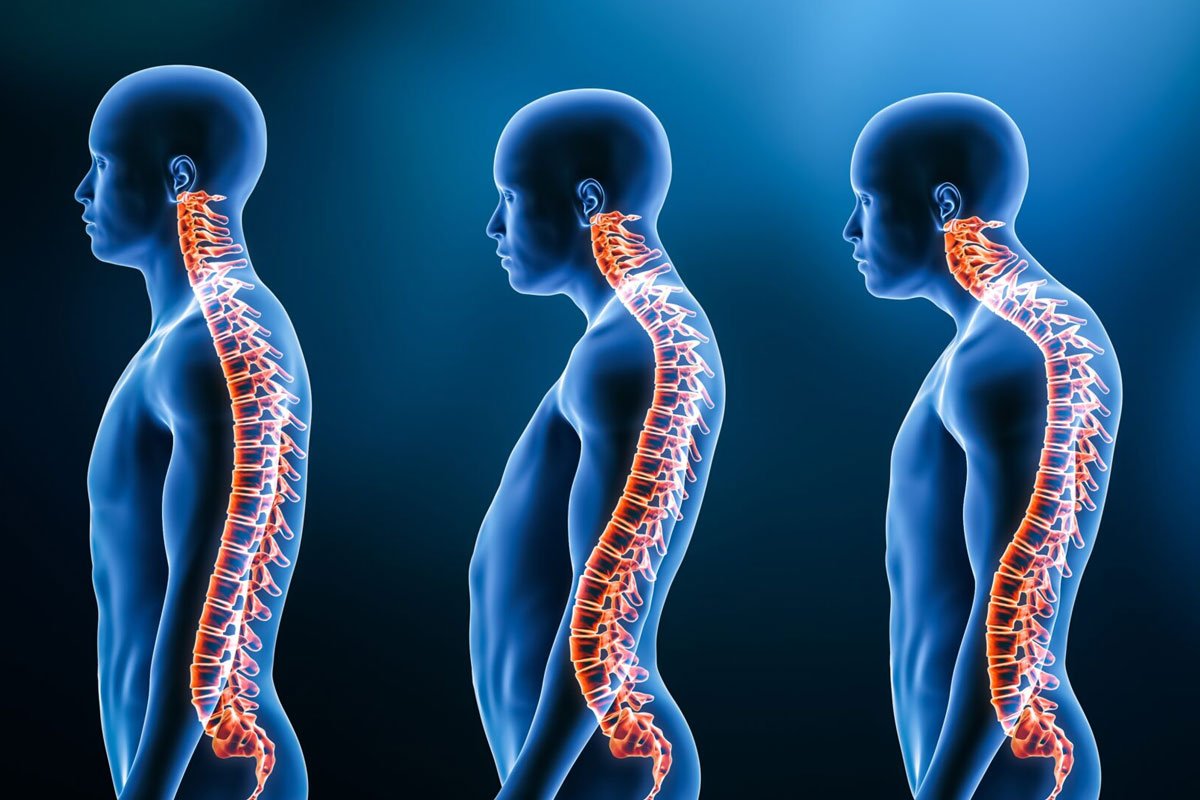
The spinal deformity can happen at a very young age or in the elderly. We have the expertise to treat congenital scoliosis in children as young as 1-2 years to adolescence.
Dr. Sujit Kumar Vidiyala, a leading spine surgeon in Hyderabad, India gives particular emphasis on restoration of normal global and regional spinal balance. State-of-the art spinal cord monitoring techniques are employed by neurophysiologists in the operating rooms to provide the highest levels of patient safety. Navigation is used in complex deformities.
Conditions Treated Include
- Adult degenerative scoliosis
- Adult idiopathic scoliosis
- Congenital deformities
- Failed-back syndrome
- Kyphotic deformity
- High-grade spondylolisthesis
- Ankylosing spondylitis
- Rheumatoid arthritis
We also have good experience in managing elderly patients who develop degenerative scoliosis as a result of age and osteoporosis.
Pain and Spasticity Treatment
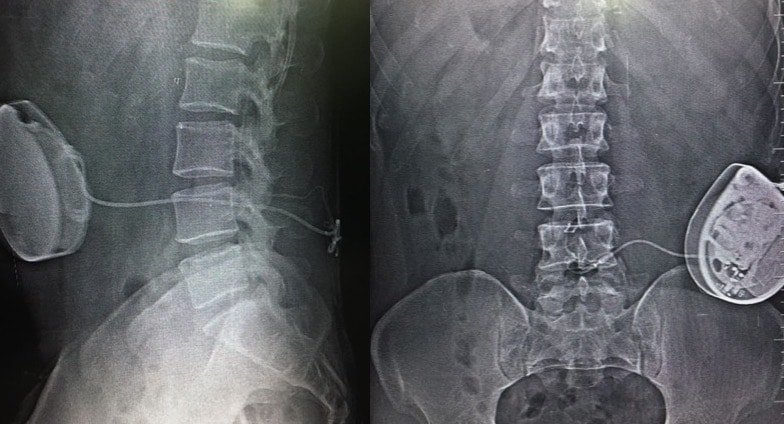
Intrathecal Baclofen Pump
Intrathecal Baclofen Pump is inserted by an experienced spine surgeon in Hyderabad and Secunderabad, India to treat severe spasticity. The pump can be filled with Baclofen (Spasticity) or Morphine (Pain). Indications of Baclofen Pump are:
- Cerebral palsy
- Spinal cord injury
- Head injury
- Multiple sclerosis
- Neurological Disorders
Spinal Cord Stimulator
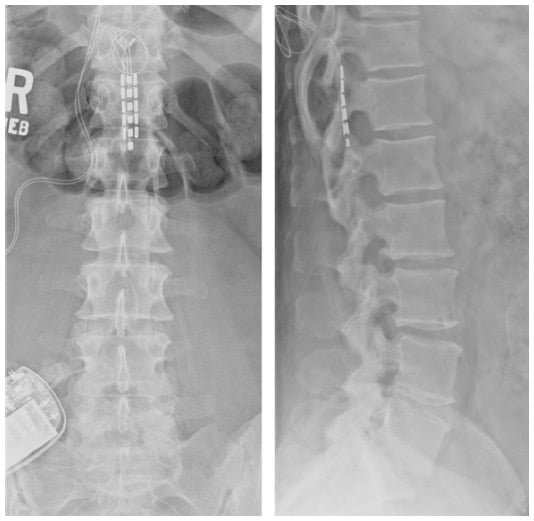
A spinal Cord Stimulator is a special battery-powered device that is fitted over the spinal cord for the treatment of spinal pain which is not relieved by other methods.
Indications For SCS
- Failed back syndrome
- Post laminectomy pain
- Multiple failed operations
- Epidural fibrosis
- Complex regional pain syndrome
Drez Lesioning
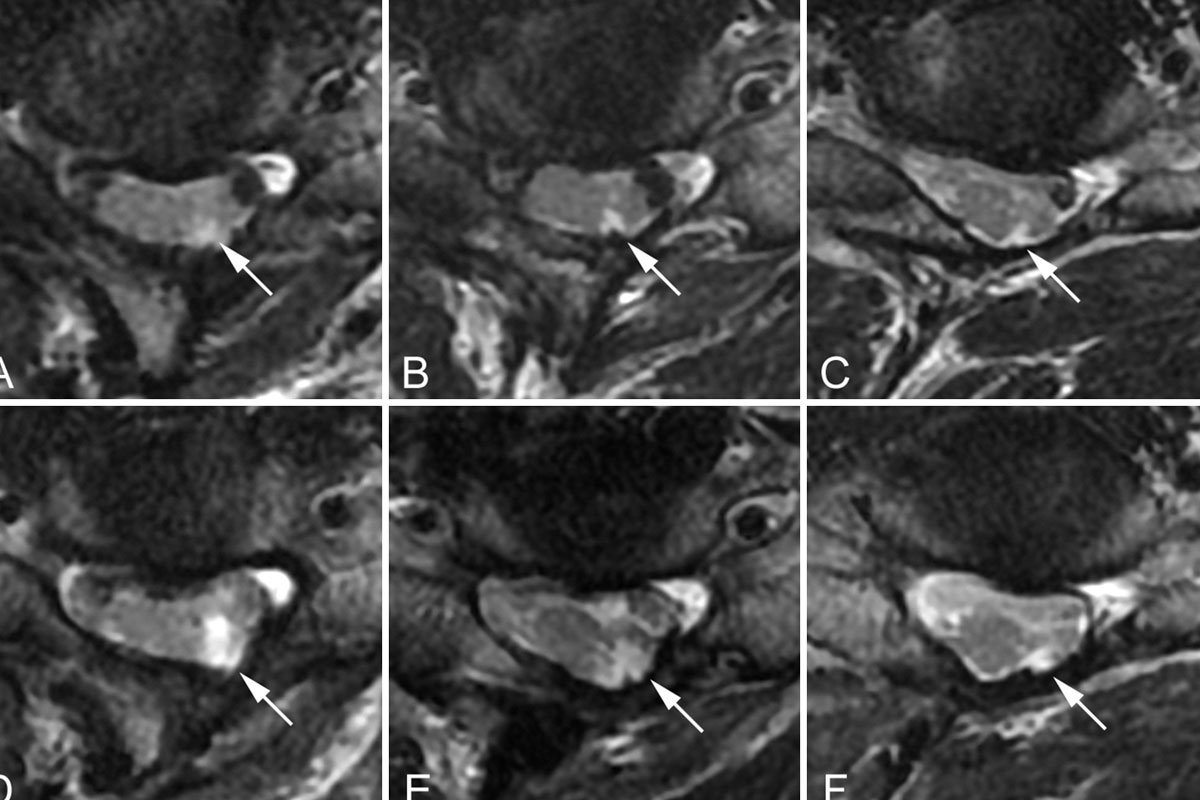
DORSAL ROOT ENTRY ZONE (DREZ)
Brachial Plexus Injuries are caused by excessive stretching, tearing, or trauma to a network of nerves from the spinal cord to the shoulder, arm, and hand. Injuries often occur secondary to motor vehicle accidents, sports injuries or surgeries. Traumatic BPI causes either complete or incomplete damage to the brachial plexus resulting in loss of function and sensation related to level of damage. The recovery from the injury will depend on the severity, level and type of nerve damage. Pain is a very important side effect of the injury and can sometime be very severe and debilitating.
What are nerves and the nervous system?
Lumbar Disc Problem
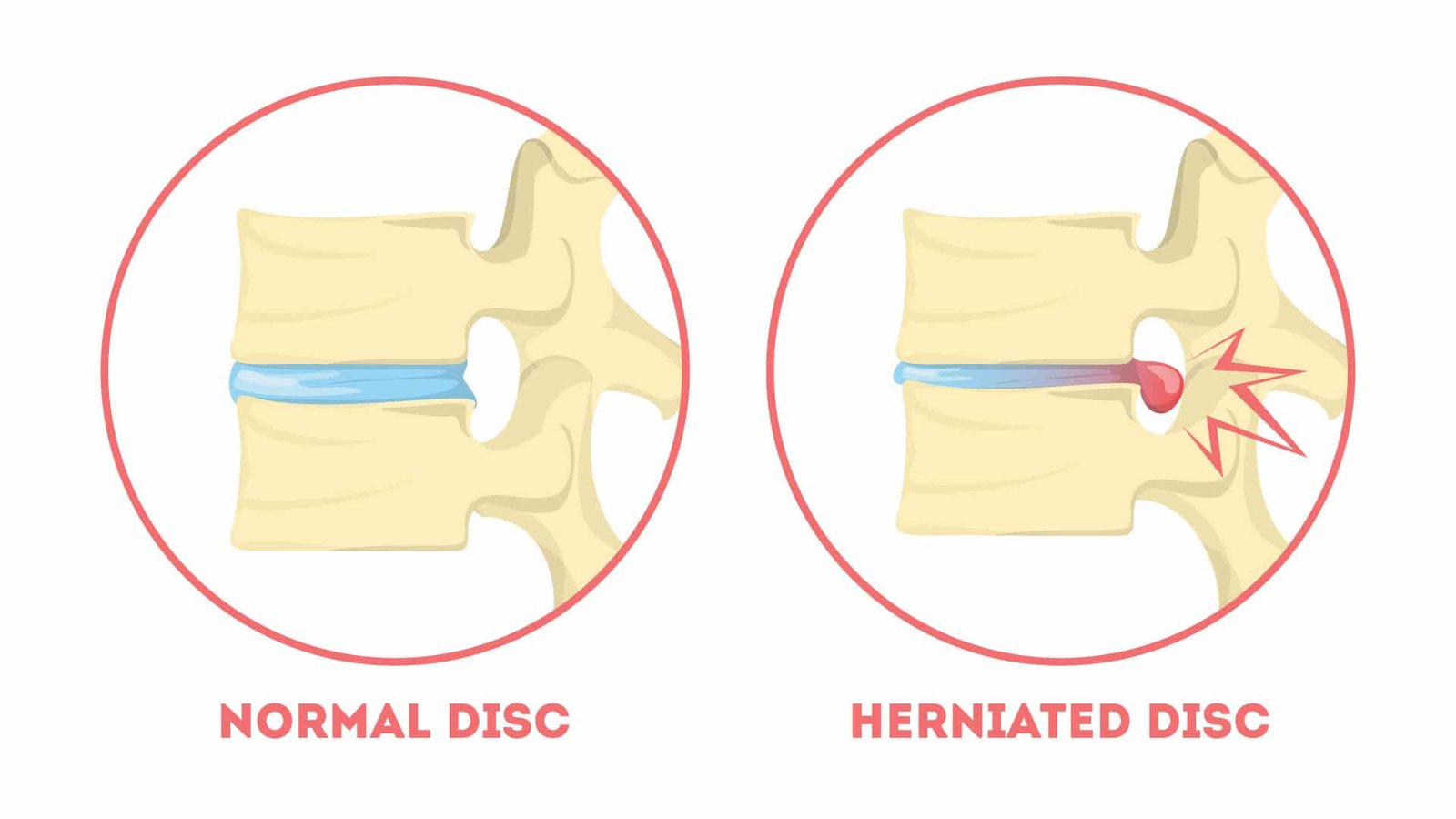
Degenerative thoracolumbar disorders are becoming increasingly prevalent as patients have longer, healthier, and more active lives. While much of the treatment is non-surgical, there are certain conditions that require surgery. Some degenerative diseases can be easily treated with small, minimally invasive procedures, but others require large, reconstructive operations.
Dr. Sujit Kumar Vidiyala, a professional spine surgeon in Hyderabad, Secunderabad, India, has considerable experience treating the entire spectrum of degenerative disorders, as well as in-depth knowledge of the success rates of each procedure. Mini open and minimally invasive transthoracic disc surgery is performed here.
Conditions that can be treated
- Disc herniations / Prolapse
- Lumbar Stenosis
- Degenerative adult scoliosis
- Kyphosis
- Facet joint arthroplasty
- SI joint degeneration
- Spondylolisthesis
Minimally Invasive Spine Surgery
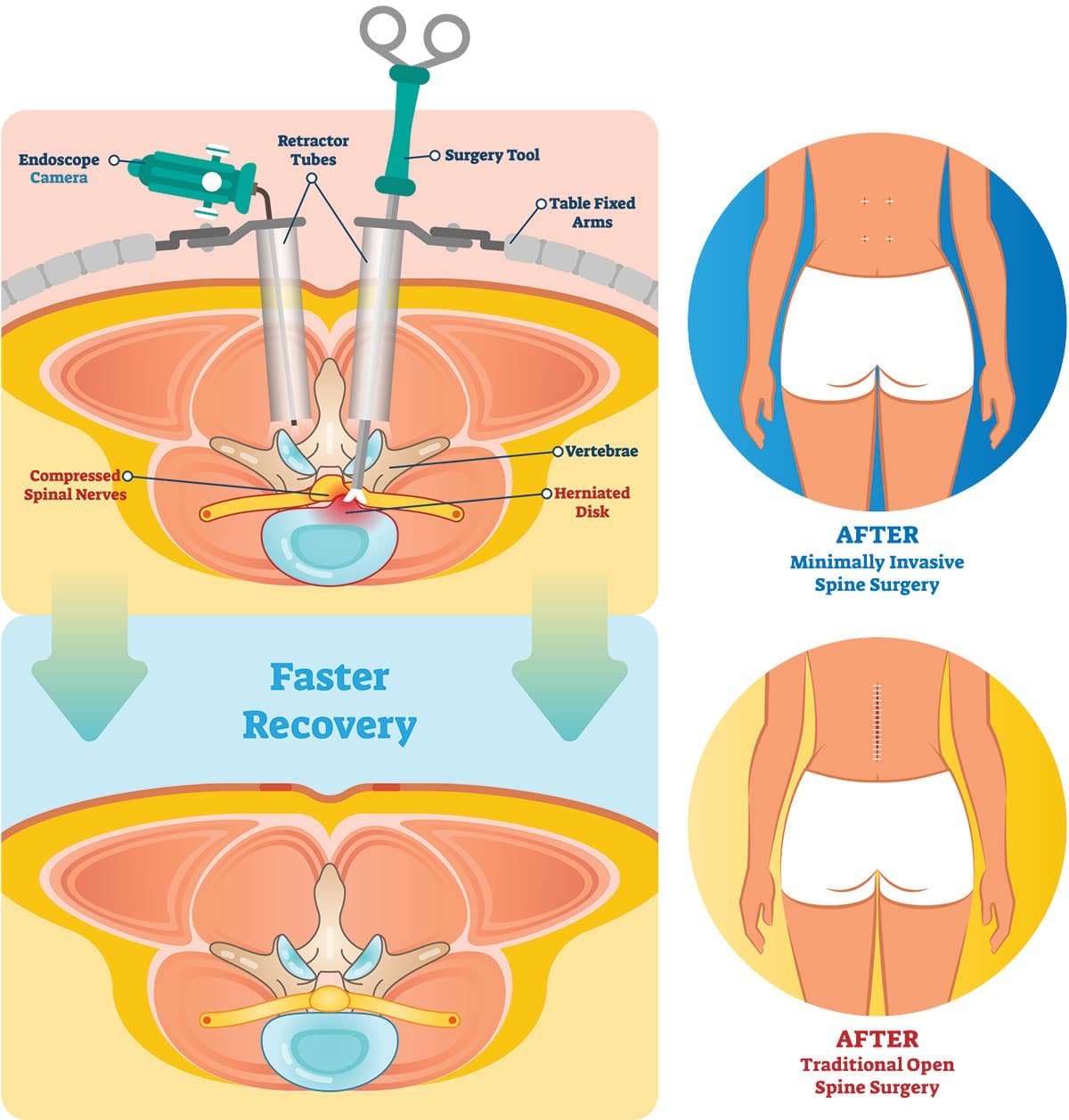
Dr. Sujit Kumar Vidiyala who is internationally trained has extensive experience in minimally invasive spinal techniques and performs complex minimally invasive spine procedures. We have state-of-the-art equipment and navigation designed for these procedures at KIMS hospital.
Minimally invasive surgery is available for a number of spinal disorders, ranging from degenerative diseases to spinal tumors. Dr. Sujit Kumar Vidiyala is one of the best minimally invasive spine surgeons in Hyderabad & Secunderabad with 21+ surgical experience.
The Advantages Are
- Reducing surgical risk
- Less pain post surgery
- Minimal blood loss
- Reduced risk of infection
- Early recovery
- Reduced hospital stay
- Early return to work
- Small scar
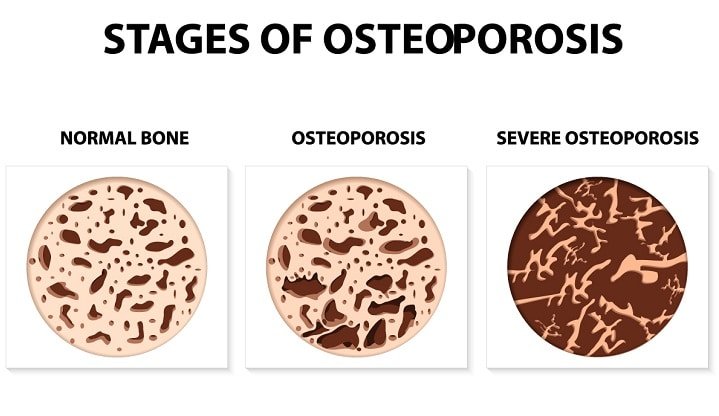
Osteoporosis and Vertebral Compression
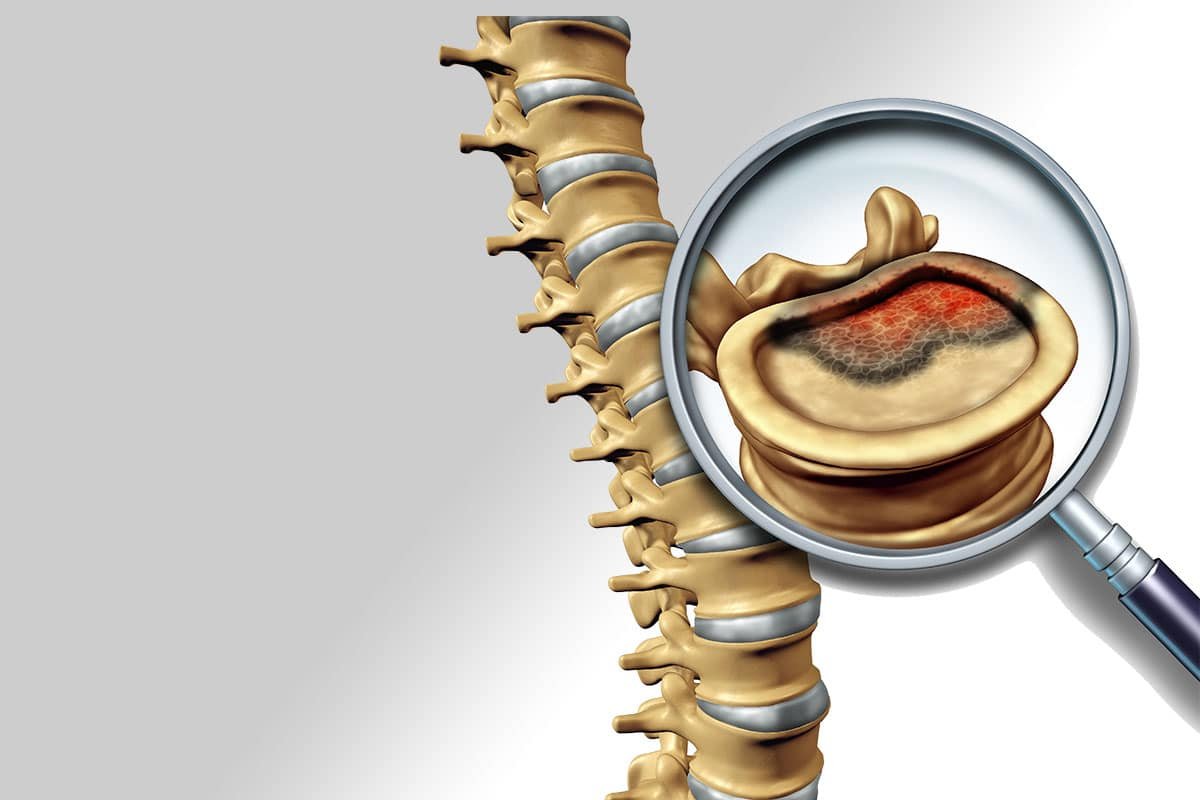
Older patients and those with osteoporosis have a high risk of spinal fractures, particularly vertebral compression fractures. The main reason being low bone mass and strength, as well as an increased risk of falling. In these patients, vertebral compression fractures can occur during simple activities of daily living, such as coughing, sitting down quickly, or taking a step wrong.
As with many osteoporotic fractures, compression fractures are more common in women than men; however, the consequences are severe in both. Patients may experience acute and chronic pain, kyphotic deformity (increased forward curve of the spine), decreased quality of life, increased anxiety, depression, and death. Our geriatric doctors and nurses are involved in their care.
Spinal Tumor
Tumours in the spine can arise in the spinal cord, covering of spinal cord, nerves or bone. Our team has a huge experience in managing all types of tumours to enable and provide quality life. All spine tumour cases are routinely reviewed with oncologists to determine the best treatment options for each patient. The close collaboration between neuro spine surgeons, orthopaedic spine surgeons, and oncologists improves outcome. Dr. Sujit Kumar Vidiyala, the best spine tumour surgeon treats all kinds of spinal cord tumours.
Spine Degeneration
Occipital Cervical Spine
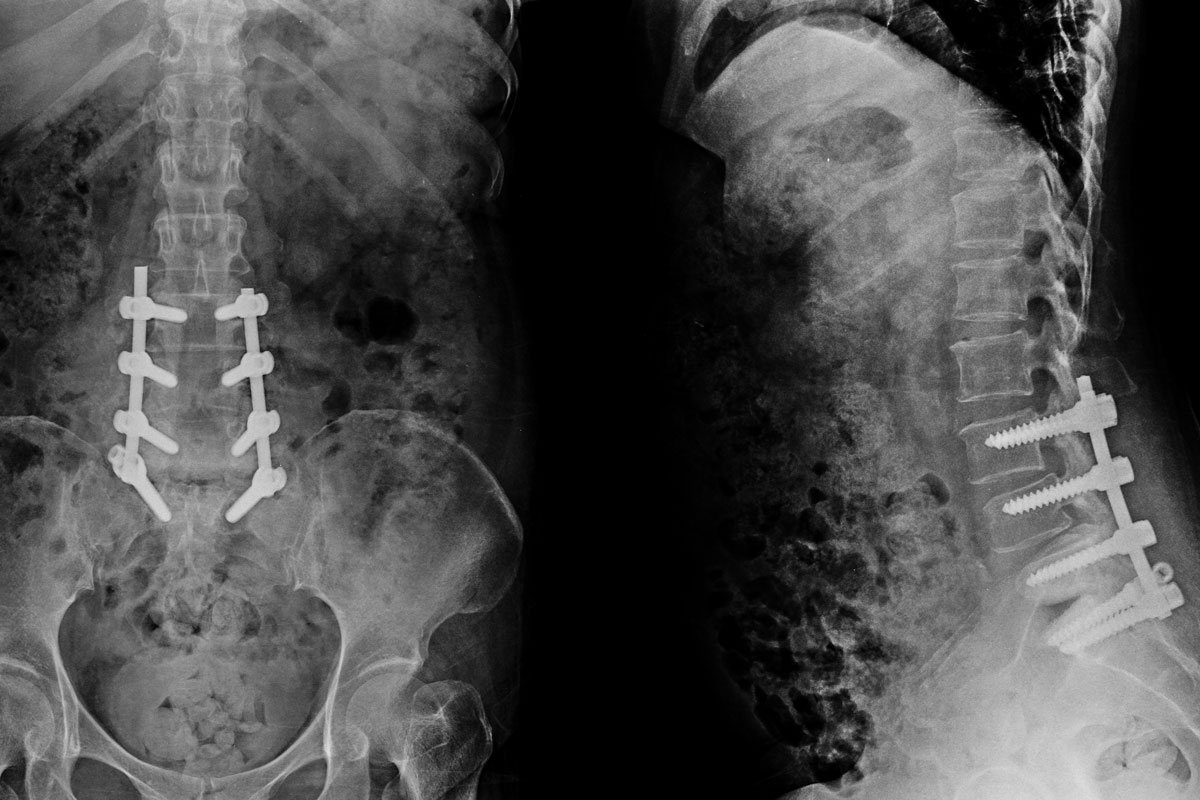
Instability in the atlantooccipital joint results in hyper-mobility of the junction between the head and the neck which can cause severe pain or paralysis. It may result from rheumatoid arthritis or congenital defects that can accelerate degenerative arthropathy, resulting in spinal cord compression. At KIMS Hospital, we use the latest developments in imaging, computer-assisted surgery, and instrumentation to provide safe surgery.
- Conditions That Can Be Treated
- Chronic Cl – C2 instability
- Degenerative Cl – C2 joint
- Congenital problems
- Odontoid fracture
- Rheumatoid arthritis
Degenerative Cervical Spine Disorders
The cervical spine is the most flexible anatomic region in the axial skeleton. Distinct segments of the cervical spine give us the ability to perform complex neck motions like head turning, tilting or bending this leads to increase in wear and tear of disc.
The most common degenerative disorders of the cervical spine affect the C3-C7 segments. Symptoms of disc herniation, joint degeneration, and stenosis include neck pain, arm pain and sensory disturbance, weakness, spasticity and difficulty in walking or using hands.
At KIMS Hospital, minimally invasive approaches can be performed from the back of neck for decompression of nerve roots. Our surgical team also has expertise in motion-sparing operations such as cervical disc replacement and cervical laminoplasty that obviate the need for a cervical spinal fusion.
- Conditions That Can Be Treated
- Cervical disc bulge
- Cervical stenosis (Cord compression)
- Cervical kyphosis
- Cervical osteophyte (Bone compression)
Spinal Fracture Treatment
- Road traffic accident
- Fall from height
- Industrial accidents
- Sports injuries
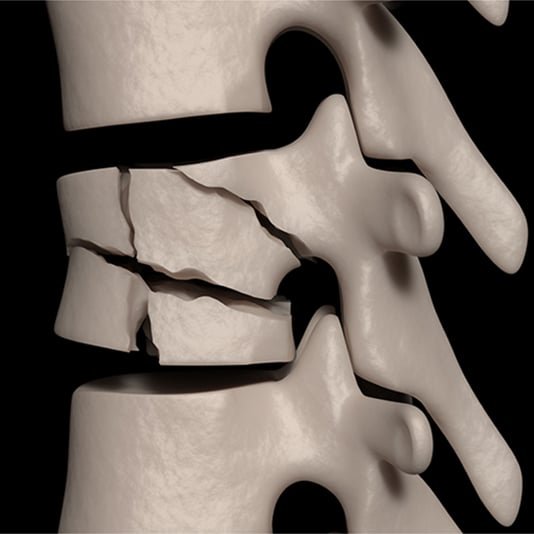
These injuries are often serious and require intensive and emergency treatment. Low-velocity injuries like slip and fall can cause spine fracture in people with pre-existing conditions that weaken the bone. In elderly people, osteoporosis is the common cause of spine fracture, whereas tumor/cancer invading the spine and spine infections can lead to spine fracture in younger people with low-impact injury. In severe osteoporosis, the spine can get fractured even without a minor trauma. Fracture can involve the thoracic, lumbar, or cervical spine.